
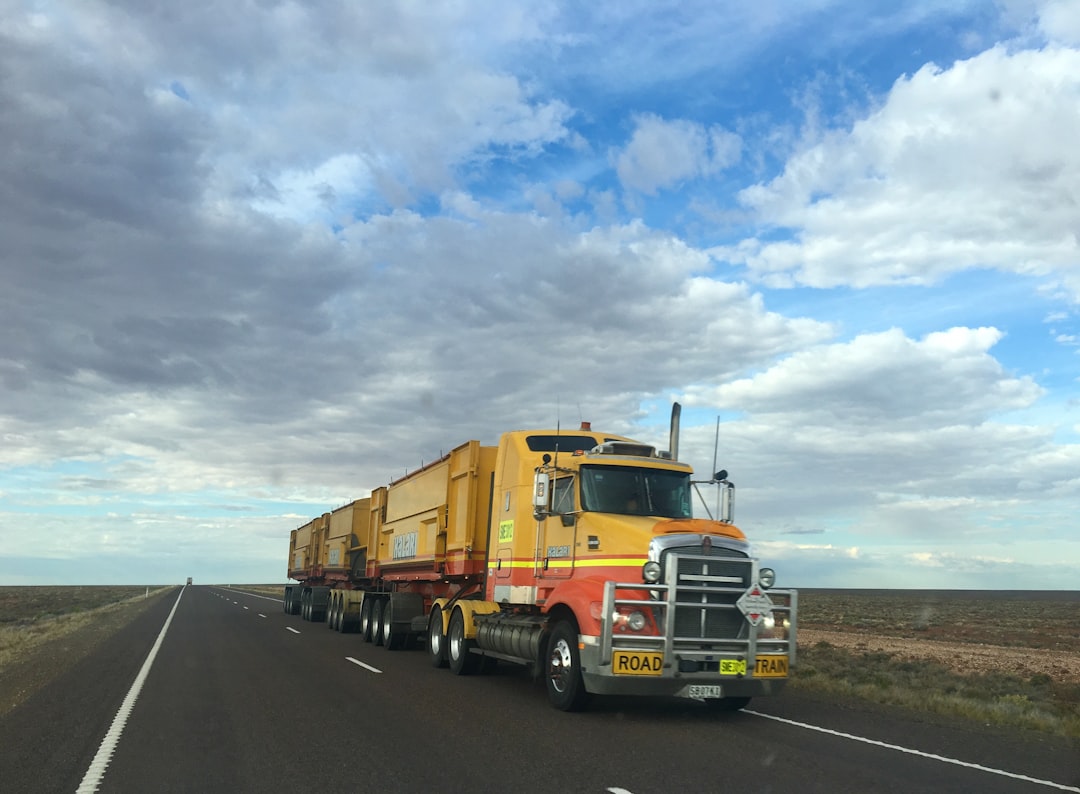
Truck Driver DAMA Visa Australia: The Only Door That Opens
A truck driver is not an "unskilled migrant" in the Australian immigration taxonomy. ANZSCO 733111 — Truck Driver (General) — sits at Skill Level 4, demands AQF Certificate II or III, and requires licensing before the first kilometre. Yet the occupation sits off every standard skilled list. According to AVIE Australian Visa and Immigration Experts, nomination is only possible under an employer-sponsored visa covered by a Designated Area Migration Agreement or other Labour Agreement. The points-tested Subclass 189? Closed. Subclass 190? Closed. We are not discussing a shortage of drivers. We are discussing a shortage of legal categories.
DAMA — the Designated Area Migration Agreement — is the mechanism that reopens the door. Not as a standalone visa, but as a regional contract layered onto Subclass 482, 494, and 186 employer sponsorship. For overseas drivers aged 45 to 55 who have been aged out of standard points-tested pathways, this is not a workaround. It is the architecture.
Standard Skilled Migration Closes What Geography Opens
The question "Can I immigrate to Australia as a truck driver?" receives a binary answer: yes, through employer sponsorship in a DAMA region — no, through independent skilled migration. Green Wings Migration identifies truck driver eligibility across eleven or more DAMA regions: East Kimberley, Goulburn Valley, Great South Coast, the Northern Territory, Orana, Pilbara, South Australia Regional, South West WA, Goldfields WA, Townsville, Far North Queensland, and WA Statewide. Each region writes its own concessions into the agreement. The occupation stays constant. The geography changes the terms.
According to the Northern Territory Government, Truck Driver (General) occupies item 125 on the NT DAMA list — Skill Level 4, with English, TSMIT, and age concessions all flagged yes. The NT offers nomination under Subclass 482 TSS, the five-year Skilled Employer Sponsored Regional visa, and permanent residence through ENS Subclass 186. A renewed NT DAMA III executed in March 2025 expanded the occupation list to 325 roles and opened a new endorsement portal — the pipeline is active, not archival.
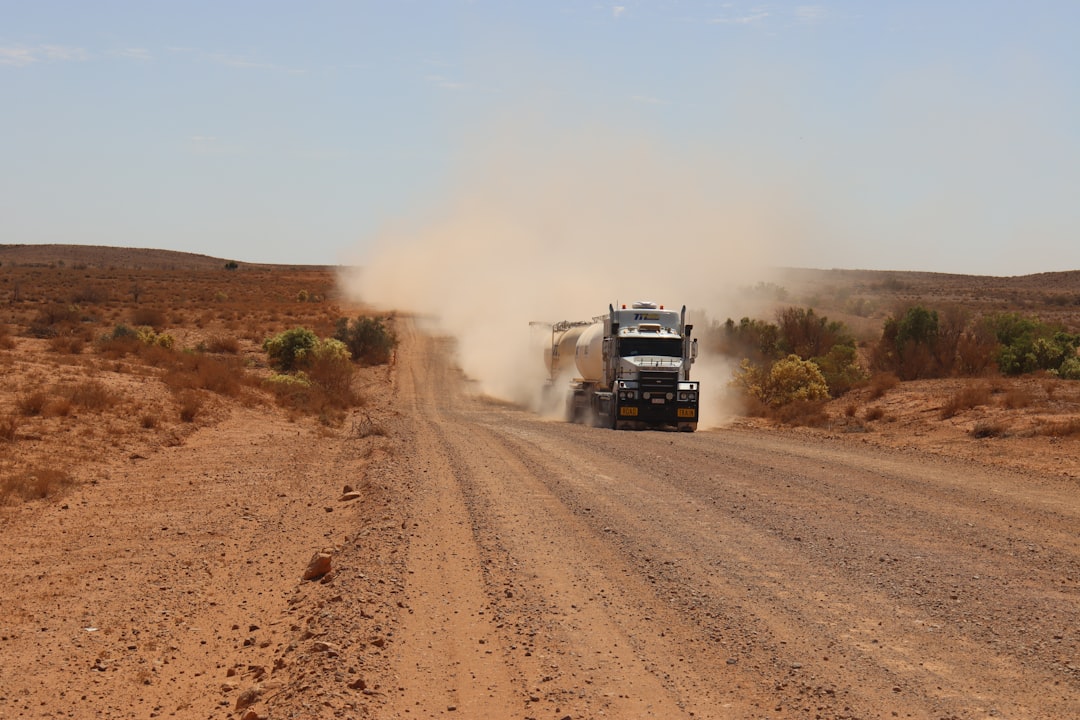
South Australia operates under similar logic but different numbers. Migration SA lists Truck Driver (General) under Road and Rail Drivers across the entire state — not merely "regional" pockets within it. The agreement runs until at least 30 June 2026. Concessions include TSMIT reduced by 10%, English flexibility, and age raised to 55. Log Truck Driver appears separately as non-ANZSCO code 070499 — a category First Migration Service Centre notes exists because the standard ANZSCO list has not been substantially updated in decades and fails to capture region-specific roles.
DAMA Is a Salary Floor, Not a Salary Ceiling
Visa subclasses under DAMA mirror standard employer sponsorship — Subclass 482 for temporary work, Subclass 494 for five-year regional provisional status, Subclass 186 for permanent nomination — but the concessions rewrite the eligibility math. In the Pilbara, where Rio Tinto, BHP, and FMG employ a workforce exceeding 60,000 against a local permanent population of roughly 60,000, the Pilbara DAMA guide documents TSMIT concessions up to 10% with a floor of $66,000 AUD and English at IELTS 5.0 per band for most occupations, 4.5 for semi-skilled roles. Truck Driver (mining) sits on that list. Market reality in regional haulage runs $70,000 to $100,000 and above — the concession floor is a compliance minimum, not a wage forecast.
Experience requirements vary by region and visa stream in ways that punish assumption. East Kimberley TSS pathways may accept one year. South Australia Regional ENS demands three. Pilbara reduces work experience to two years for many mining occupations. We cannot quote a single number and call it policy — we must read the specific agreement for the specific employer in the specific postcode.
TRA Assesses Skill Before Home Affairs Assesses Character
Do truck drivers need a skills assessment for permanent residency? For the 482 pathway — which is the entry point for most DAMA-sponsored drivers — the answer is yes. Trades Recognition Australia runs the Temporary Skills Shortage Skills Assessment Program for Subclass 482 applicants in nominated truck driver occupations. Pathway 1, for those without an Australian VET qualification, costs up to $5,320 AUD. Pathway 2 costs $2,020 AUD. Processing runs approximately nine weeks after submission of complete documentary evidence. Applicants must hold a passport from a nominated country and demonstrate relevant work experience in the nominated occupation. The assessment determines whether you can work at the required skill level — not whether Australia needs you. That distinction belongs to the employer and the regional agreement holder.
Licensing remains a separate gate. AVIE confirms that registration or licensing is required to work as a truck driver in Australia regardless of visa outcome. A positive TRA assessment does not substitute for a state heavy vehicle licence. We treat them as sequential hurdles, not interchangeable documents.
Permanent Residence Runs on a Clock Measured in Years
Can truck drivers obtain permanent residency? Yes — through employer nomination, not through independent application. The Pilbara DAMA documents a 186 Direct Entry stream under the Labour Agreement pathway after three years on a 482 visa. First Migration Service Centre notes that NT and SA offer a faster transition — permanent residence via 186 after two years on the 482, not the standard three. The 494 regional provisional visa offers an alternate route: three years of residence and work, income above $53,900 per year, then transition to Subclass 191 without employer nomination at the permanent stage. Two clocks. Two employers. Two different arithmetic.
For applicants aged 45 to 55 — the cohort standard skilled visas discard — DAMA age concessions up to 55 represent the only structured pathway left. First Migration Service Centre identifies truck driving specifically as an occupation where these concessions apply. The trade is explicit: regional geography, employer dependence, and years of sponsored work in exchange for what the points system refuses to offer.
Find the employer first. Read the regional agreement second. Let TRA and licensing run their nine-week audit while you negotiate the salary floor. The visa is the last document, not the first.