
Lifestyle
Understanding Lifestyle Photography: Capturing Authentic Moments in Everyday Life

Lifestyle photography is a genre that prioritizes authenticity, emotion, and storytelling. Instead of relying on posed or studio-based images, lifestyle photography aims to capture people, families, or products in real-life scenarios, highlighting their unique personalities and genuine interactions. This approach creates relatable, memorable images that resonate deeply with viewers and clients alike [1] .
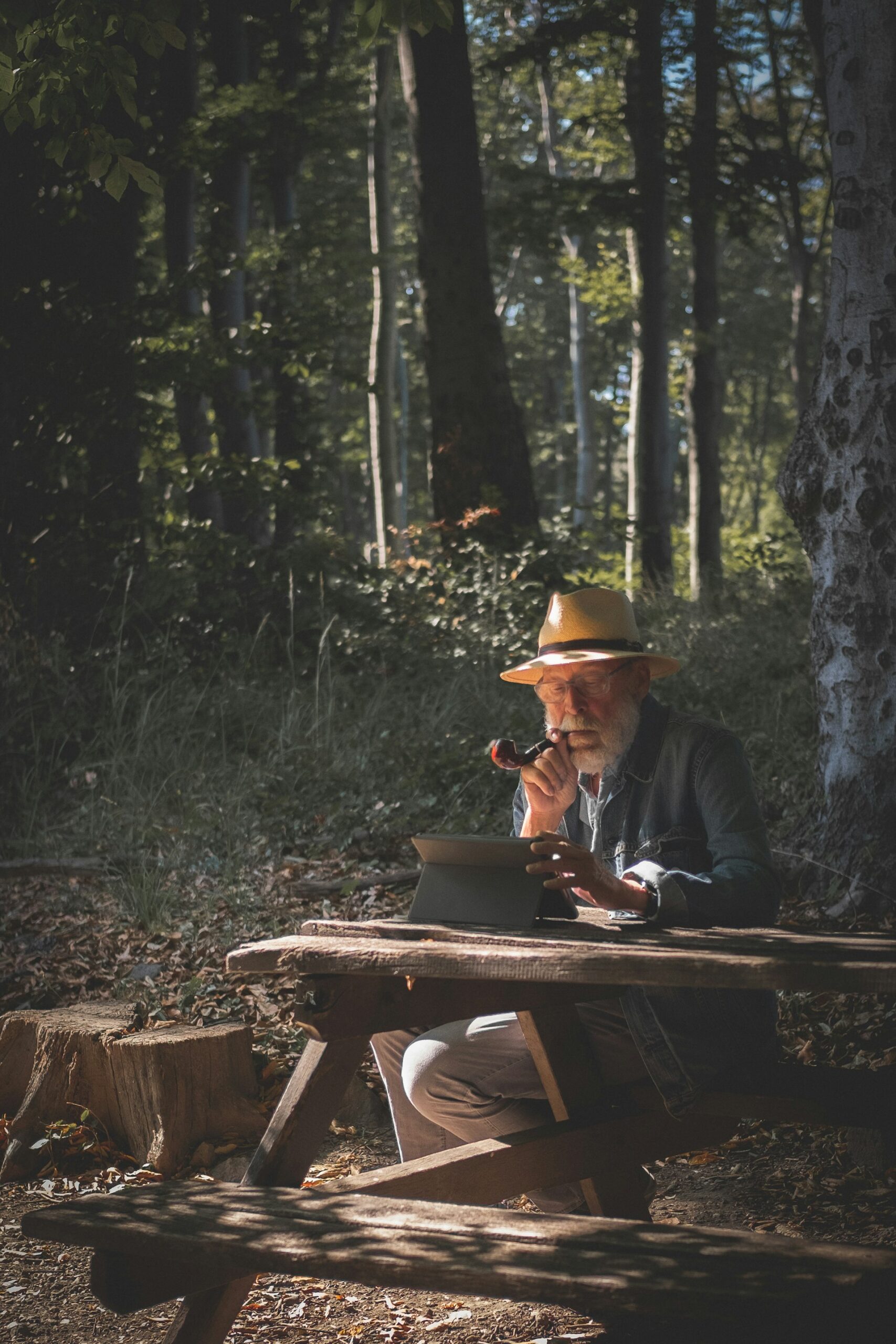
At its core, lifestyle photography is about capturing candid moments of people in their everyday environments . The goal is to showcase personality, interests, and the story behind the subject, rather than simply creating a technically perfect picture. A typical lifestyle photo might feature a family baking together, friends laughing on a city street, or a couple sharing a quiet moment at home [1] [2] .
To understand what makes an image “lifestyle,” consider these essential traits:
While the genre is unified by its focus on authenticity, there are different styles within lifestyle photography:

Understanding the differences between lifestyle and traditional portrait or product photography is essential:
| Aspect | Lifestyle Photography | Traditional Photography |
|---|---|---|
| Posing | Relaxed, natural, some direction | Structured, formal, heavily posed |
| Location | Real-life settings (homes, outdoors) | Studio-based |
| Lighting | Primarily natural light | Studio lighting and flash |
| Storytelling | Emphasized, images tell a story | Less focus on narrative |
Lifestyle photography is highly versatile and is used in both personal and commercial contexts:
Personal Use: Families and individuals choose lifestyle photography to document real-life moments-birthdays, family routines, or quiet afternoons at home. The resulting images often become treasured keepsakes, as they capture the true essence of relationships and everyday joy [3] .
Commercial Use: Brands use lifestyle photography to depict their products in action, helping potential customers envision the products as part of their own lives. For example, a coffee brand might feature someone enjoying their product during a relaxed morning routine, fostering an emotional connection [4] .
If you want to create authentic lifestyle images-either for personal memories or business branding-consider the following steps:
If you are hiring a professional, look for photographers who specialize in lifestyle imagery and ask to see full sessions or portfolios to ensure their style matches your vision.
Challenge 1: Shyness or Self-Consciousness
Subjects may feel uncomfortable in front of the camera. To address this, encourage relaxed conversation and choose familiar settings. Photographers can use longer lenses to provide space, making the experience less intrusive [1] .
Challenge 2: Lighting Variations
Natural light can be unpredictable. Skilled photographers learn to adapt by shifting locations, using reflectors, or embracing shadows for artistic effect. Flexibility and preparation are key.
Challenge 3: Capturing Authenticity
It can be tempting to over-direct or stage “perfect” moments. The best lifestyle photographers strike a balance-providing light guidance then stepping back to let real interactions occur [1] .
Lifestyle photography has expanded in recent years to include a wider variety of subjects and applications. In addition to traditional family or couple sessions, you may find:
Many photographers now offer both idealized and raw sessions, allowing clients to choose the level of polish and authenticity that best fits their needs.
If you want to book a lifestyle photography session, these steps can help:
There is no centralized government agency or official directory for lifestyle photographers, but reputable professional associations-such as the Professional Photographers of America (PPA)-may provide searchable directories of members who offer lifestyle sessions. You can also find information by searching for “Professional Photographers of America lifestyle directory” or by checking leading photography review sites.
Lifestyle photography is an art form that seeks to capture the beauty and emotion in everyday life. Whether used for personal memories or commercial branding, its focus on authenticity and storytelling makes it a powerful tool for documenting moments that matter.
MORE FROM grabjobtoday.com