
Lifestyle
Understanding and Embracing the Amish Lifestyle: Principles, Practices, and Practical Steps

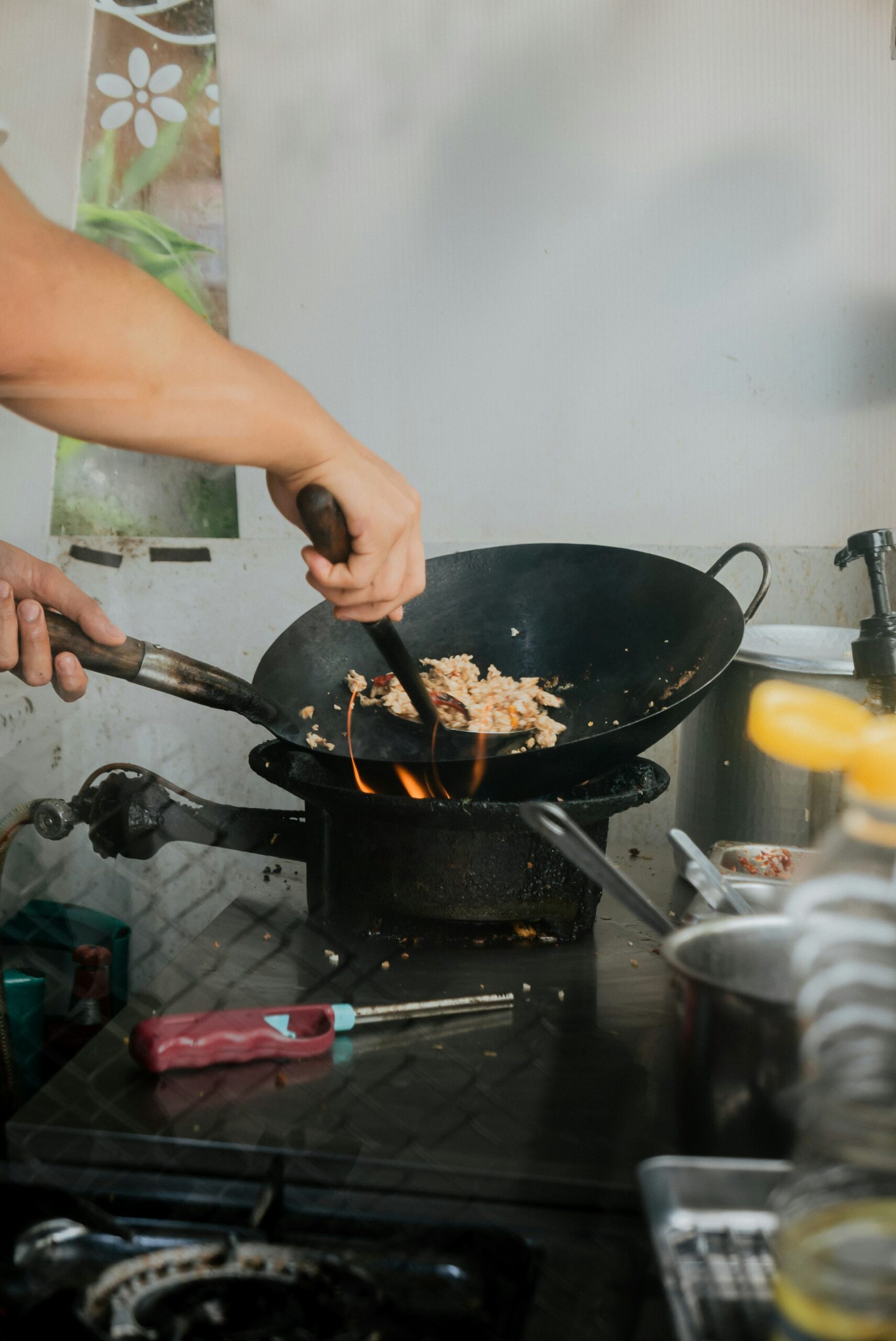
The home cooking lifestyle trend is more than a temporary shift-it’s a fundamental change in how people approach meal preparation, nutrition, and kitchen culture. As economic pressures, technological advancements, and evolving consumer preferences converge, cooking at home has become a cornerstone of modern living. This article explores the latest trends, actionable strategies, and resources to help you make the most of your home cooking journey in 2025.
Economic factors are a primary driver behind the resurgence of home cooking. With inflation impacting both grocery stores and restaurants, consumers are increasingly seeking value and affordability in their food choices. According to the USDA, food-at-home prices are projected to rise by 3.3% in 2025, while dining out is expected to become even more expensive, with a 3.7% increase in food-away-from-home prices [2] . This price gap encourages more people to rediscover the kitchen, not just as a place to eat, but as a space for creativity, wellness, and connection.
In 2025, value is king. Consumers are looking for brands and retailers that offer quality food at affordable prices, balancing cost with nutrition and taste [1] . This means shoppers are paying closer attention to promotions, store brands, and bulk buying options. To maximize value:
Remember, value isn’t just about price-it’s about getting the most satisfaction and nutrition from every dollar spent.
Today’s home cooks are more mindful than ever about what they eat. This trend combines financial savvy with health consciousness-shoppers want meals that are both cost-effective and nutritious [1] . Mindful consumption means reading labels, choosing whole ingredients, and avoiding unnecessary additives. It also involves being aware of portion sizes and food waste.
To practice mindful eating:
This approach not only supports physical health but also aligns with broader sustainability goals.
As the U.S. population becomes more diverse, so do our palates. Home cooks are embracing global flavors, experimenting with spices, peppers, and fermented foods from around the world [1] . Hot peppers like Calabrian chiles and guajillo peppers, as well as fermented staples like kimchi and sauerkraut, are gaining popularity. Seafood variety is also expanding, with home cooks trying mahi mahi, scallops, yellowtail, barramundi, and trout [3] .
To bring global flavors into your kitchen:
Experimenting with new flavors can make home cooking more exciting and help you discover new family favorites.
Even as people cook more at home, busy schedules mean that convenience remains a top priority. Pre-prepped ingredients, meal kits, and ready-to-heat options are increasingly popular, offering a middle ground between scratch cooking and takeout [1] . Brands that deliver on both speed and quality are winning loyal customers.
To save time without sacrificing nutrition:
Convenience doesn’t have to mean compromising on health or taste-today’s solutions are designed to deliver all three.
The search for culinary inspiration has gone digital. Social media platforms like Instagram, TikTok, and Pinterest are major sources of recipe ideas, cooking hacks, and meal planning strategies [1] . Influencers and home cooks share budget-friendly recipes and creative twists on classic dishes, making it easier than ever to find inspiration.
Looking ahead, artificial intelligence (AI) is set to play a larger role. Expect to see more apps and devices offering personalized recipe recommendations, virtual cooking assistants, and even AI-generated meal plans tailored to your dietary preferences and pantry inventory.

To harness digital inspiration:
Environmental consciousness is influencing kitchen habits. Eco-friendly kitchen tools-reusable containers, compostable utensils, and energy-efficient appliances-are in demand [2] . Reducing food waste, composting, and choosing sustainable packaging are also becoming mainstream.
To make your kitchen more sustainable:
These practices not only benefit the planet but can also save money in the long run.
Health-conscious consumers are seeking meals that support overall well-being. High-protein, high-fiber options are particularly popular, as they help regulate appetite and support metabolic health [3] . Incorporating a variety of proteins-including plant-based options and diverse seafood-can enhance nutritional intake.
To prioritize health in your home cooking:
This approach not only supports physical health but also contributes to mental well-being by reducing mealtime stress.
Begin by identifying your priorities. Are you looking to save money, eat healthier, reduce stress, or explore new cuisines? Your goals will shape your approach to home cooking.
A well-stocked kitchen makes cooking easier and more enjoyable. Essentials include a good knife, cutting board, pots and pans, measuring tools, and storage containers. Consider adding time-saving gadgets like a slow cooker or air fryer if your budget allows.
Meal planning reduces decision fatigue and helps you stick to your budget and health goals. Start by planning a few meals each week, gradually building up to a full week’s menu. Use digital tools or a simple notebook to keep track of recipes and shopping lists.
Stick to your list to avoid impulse buys. Take advantage of sales, and consider buying in bulk for staples. Explore local farmers’ markets for fresh, seasonal produce.
Don’t be afraid to try new recipes and techniques. Cooking is a skill that improves with practice. Use online tutorials and cooking shows to build your confidence.
Cooking can be a social activity. Involve family members or friends in meal preparation, or share your creations on social media to connect with a community of home cooks.
Transitioning to a home cooking lifestyle isn’t without its hurdles. Time constraints, lack of inspiration, and perceived complexity can be barriers. Here’s how to address them:
Not everyone has the time or desire to cook from scratch every day. Alternatives include:
The home cooking lifestyle trend is reshaping how we eat, shop, and live. By focusing on value, convenience, health, and sustainability, you can create a kitchen routine that fits your lifestyle and goals. Whether you’re a novice or an experienced cook, there’s never been a better time to embrace the joys and benefits of cooking at home.
MORE FROM grabjobtoday.com