site-logo Site Logo

Embracing the MAPS Lifestyle: A Practical Guide to Mapping Meaning and Balance in Your Life

Article avatar image

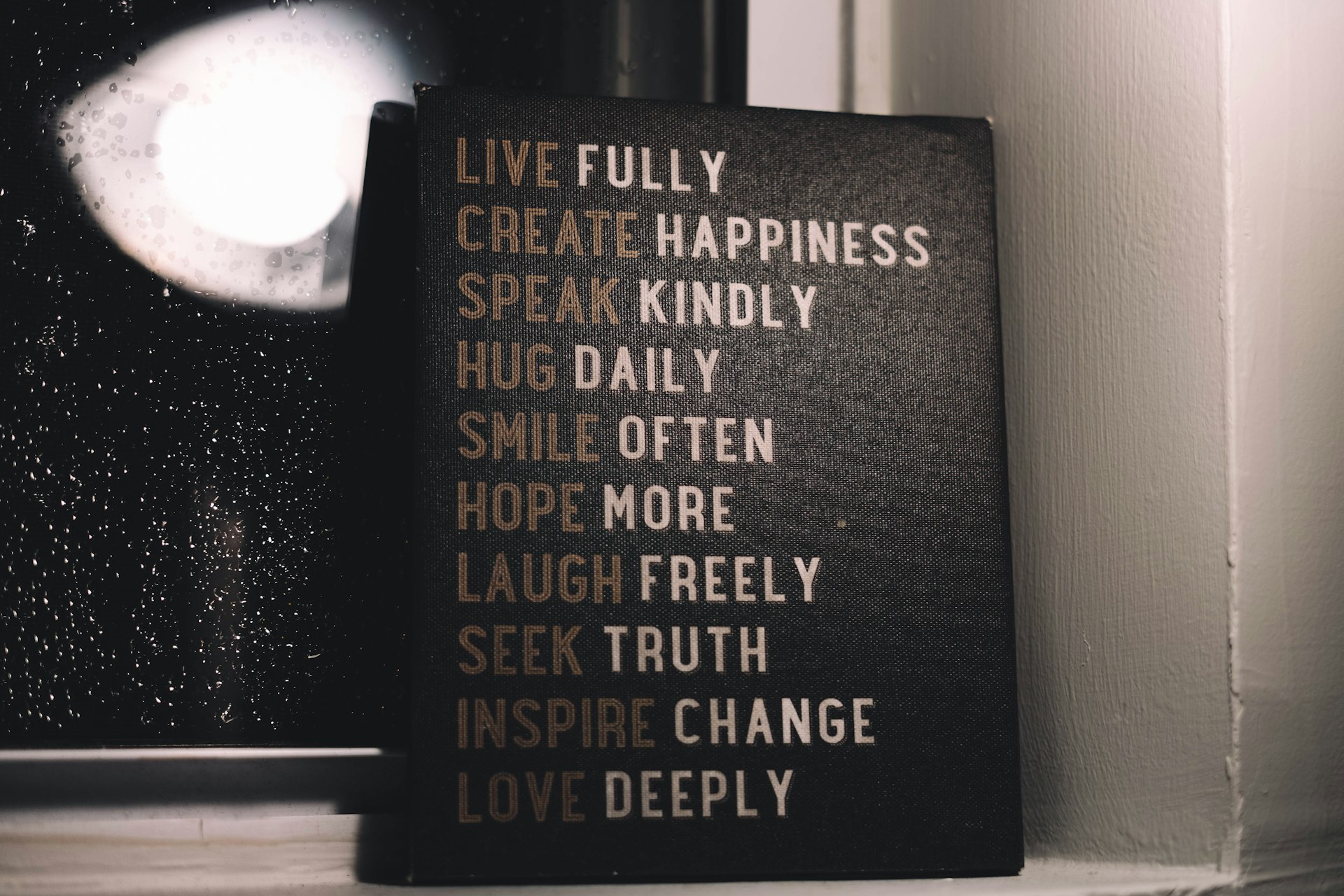
Photo by John Matychuk on Unsplash

Understanding the MAPS Lifestyle

The concept of a MAPS lifestyle centers around using structured, intentional planning and reflective practices to create a balanced and fulfilling life. The MAPS approach, as articulated by The MAPS Institute, combines thought exercises, movement, breath-work, and reflective engagement to help individuals align their daily actions with their long-term goals and values [2] . This lifestyle focuses on integrating personal growth, well-being, and mindfulness into everyday routines, offering a framework for sustained emotional, physical, and spiritual development.

What Is a Life Map?

A life map is a visual or conceptual tool that helps you plot your current position, define your desired destinations, and chart the pathways to reach those goals. It can take the form of a timeline, diagram, or even a digital mind map, capturing both past milestones and future aspirations [1] [3] . This approach allows you to continuously evaluate your progress, adjust your strategies, and reflect on your motivations and values.

Core Elements of a Life Map

  • Starting Point: Clearly identify where you are right now in your personal or professional journey.
  • Destinations: Define where you want to go. These can be specific goals, like advancing in your career, achieving financial stability, or developing deeper relationships.
  • Routes: Map out the steps, skills, and resources you’ll need to reach each destination. Consider multiple pathways and be open to adjusting as needed.
  • Values and Principles: Identify the core beliefs or ways of being that you want to guide your decisions-such as adventure, service, or creativity [1] .

How the MAPS Lifestyle Works in Practice

The MAPS lifestyle is not about rigidly following a single path, but rather about finding balance and staying aligned with your values . Through a combination of self-reflection, mindful movement, and regular review, you can create a sustainable system for personal growth [2] .

Daily Practices for a MAPS Lifestyle

  • Thought Exercises: Dedicate time each day for self-reflection. Journaling, gratitude lists, or structured thought prompts can help clarify your motivations and highlight areas for growth.
  • Movement and Breath-Work: Incorporate regular physical activity and mindful breathing into your routine. This can boost mental clarity, reduce stress, and foster emotional resilience.
  • Reflective Engagement: Engage in conversations or group sessions with others who are also pursuing personal development. Sharing experiences and insights can provide new perspectives and accountability.

For example, you might start your day with a short meditation, spend ten minutes journaling about your intentions, and review your life map weekly to assess progress and make adjustments.

Creating Your Own Life Map: Step-By-Step

Building a life map is a creative and iterative process. Here’s how you can get started:

  1. Identify Your Starting Point: Reflect on your current circumstances. Consider your strengths, challenges, and available resources.
  2. Define Your Destinations: Set clear, meaningful goals. These might include improving your health, learning a new skill, or achieving a particular work milestone.
  3. Chart Your Routes: Brainstorm the different ways you could reach each goal. Include both obvious and unconventional options. List the steps involved, estimate timelines, and anticipate potential obstacles.
  4. Clarify Your Values: Decide which principles are most important to you. Make sure your chosen paths align with these values.
  5. Visualize Your Map: Create a physical or digital representation of your plan. Use diagrams, timelines, or mapping software to make it easy to review and update as needed [3] .

Regularly revisit your map to reflect on your journey, celebrate milestones, and recalibrate your approach when necessary.

Real-World Examples and Case Studies

Consider the story of a professional seeking a career change. By mapping out their current skills, identifying desired roles, and plotting necessary certifications or experiences, they can systematically approach their transition. Along the way, reflective practices help them manage uncertainty and stay connected to their underlying motivations [1] .

Article related image

Photo by Katie Drazdauskaite on Unsplash

Similarly, companies use life mapping to set team goals, track progress, and allocate resources effectively. By reviewing their own “life map” of key milestones and setbacks, organizations can make data-driven decisions and foster a culture of continuous improvement [3] .

Potential Challenges and Solutions

While the MAPS lifestyle offers many benefits, several challenges may arise:

  • Overwhelm: The process may feel daunting, especially at first. Start small by mapping a single goal or area of your life, then expand as you gain confidence.
  • Uncertainty: Life is unpredictable, and plans may need frequent adjustments. Embrace flexibility and see your life map as a living document, not a rigid script [1] .
  • Emotional Barriers: Self-doubt or negative thoughts can interfere with progress. Mindfulness and acceptance-based practices, such as those found in Acceptance and Commitment Therapy, can help you identify and address these barriers [4] .

Alternative Approaches

If the MAPS philosophy does not fully resonate with you, several alternative methods can support intentional living:

  • Vision Boards: Visualize your goals through images and affirmations.
  • Goal-Setting Frameworks: Use SMART (Specific, Measurable, Achievable, Relevant, Time-bound) goals for structured progress.
  • Coaching and Therapy: Work with a professional to clarify your aims and overcome internal obstacles.

Accessing Resources and Community Support

While there are many online platforms and communities dedicated to personal growth, you should seek out well-established organizations or consult with certified coaches or therapists. You can:

  • Search for “life mapping workshops” or “personal development communities” through popular event platforms.
  • Contact certified life coaches via recognized coaching organizations, such as the International Coach Federation.
  • Consult with a mental health professional if you need support for emotional challenges.
  • Explore educational resources from reputable institutions by searching for “goal setting courses” or “mindfulness practices” on established learning platforms.

If you wish to learn more about the ACT Life Map or other therapeutic approaches, consult with a licensed counselor or search for Acceptance and Commitment Therapy resources through professional therapy organizations [4] .

Key Takeaways

Adopting a MAPS lifestyle involves more than just setting goals-it’s about intentional living, mindful reflection, and continuous adaptation. By regularly mapping your journey, you can stay focused on what matters most, navigate obstacles, and celebrate your achievements along the way. Remember, your life map is a guide, not a rulebook: you are always free to revise your route as your needs and aspirations evolve.

References

Living Intentionally: How Curated Choices Shape a Meaningful Daily Life
Balanced Social Lifestyle Planning: Your Guide to Harmony, Connection, and Fulfillment
Off-Grid Lifestyle Planning: Your Complete Step-by-Step Guide to Self-Sufficient Living
Understanding the iCandy Lifestyle: Elite Social Events for Adults
Embracing the MAPS Lifestyle: A Practical Guide to Mapping Meaning and Balance in Your Life
Understanding Lifestyle Photography: Capturing Authentic Moments in Everyday Life
Understanding and Embracing the Amish Lifestyle: Principles, Practices, and Practical Steps
Discovering the Hygge Lifestyle: How Simple Comforts Transform Everyday Living
Inside Survivor 48: The Journey of the Latest Contestant to Leave the Game
Jay-Z and the NFL: The Inside Story of When and Why He Took Over Super Bowl Entertainment
Who Owns Black Entertainment Television? The Latest on BET's Ownership and How It Impacts Viewers
Embracing the Cycling Lifestyle: A Smart, Sustainable Path for Urban Mobility