
Lifestyle
Living Intentionally: How Curated Choices Shape a Meaningful Daily Life

In recent years, a subtle but profound shift has been unfolding in how people approach their daily lives and the things they choose to surround themselves with. For decades, societal norms often equated success with visible markers of wealth-designer logos, large homes, and the latest gadgets. But as more individuals navigate the noise of social media and the pressure to keep up with curated online personas, many are turning inward to define success on their own terms.
This move toward intentionality isn’t a new concept, but it has gained traction as people seek to counteract the burnout caused by constant overconsumption. Psychologists note that the human brain is wired to seek meaning, and when daily choices are disconnected from personal values, it can lead to a sense of emptiness or dissonance. For example, someone who values sustainability might feel guilty every time they throw away a fast-fashion garment, even if it was a cheap purchase. This dissonance often drives people to reexamine their habits and make choices that align with what they truly care about.
Research from the University of California, Berkeley, found that individuals who make value-aligned decisions report higher levels of life satisfaction, regardless of their income bracket. This is because these choices create a sense of coherence between one’s actions and beliefs, fostering a deeper sense of self-worth that isn’t tied to external validation.
One of the most visible expressions of this shift is the way people curate their personal belongings. Instead of filling their homes with items that serve no real purpose or only exist to impress others, many are opting for fewer, higher-quality pieces that have a story or a functional role that aligns with their values. For instance, a person who values craftsmanship might invest in a hand-carved wooden bowl from a local artisan, rather than a mass-produced plastic one. This choice not only supports small businesses but also connects the owner to the maker’s skill and the materials used, adding layers of meaning to everyday moments like preparing meals.
Curating possessions also extends to clothing. Many individuals are moving away from fast fashion, which often relies on unethical labor practices and contributes to textile waste, to build wardrobes of timeless, well-made pieces that can be worn for years. This approach not only reduces environmental impact but also simplifies daily routines-no longer do people spend time deciding between dozens of trendy items that don’t truly reflect their style. Instead, they reach for pieces that feel like an extension of themselves, boosting confidence and reducing decision fatigue.
Intentional living isn’t just about possessions; it’s also about the routines that shape daily life. For someone who values mindfulness, this might mean starting the day with a 10-minute meditation instead of scrolling through social media. For a parent who values family time, it could mean setting aside an hour each evening to read with their children, rather than working late or watching TV. These small, consistent choices add up to create a life that feels purposeful and aligned with one’s core beliefs.
Studies from the American Psychological Association show that routines reduce stress by creating a sense of predictability and control. When those routines are tied to personal values, they also provide a sense of direction and meaning. For example, a person who values community might volunteer at a local food bank every Saturday. This routine not only helps others but also reinforces their belief in the importance of mutual support, creating a positive feedback loop that enhances their overall well-being.
Intentional living often extends beyond individual choices to foster connections with others who share similar values. Whether it’s a book club focused on sustainable living, a neighborhood group that hosts zero-waste potlucks, or an online community of people who prioritize minimalism, these spaces provide a sense of belonging and support. They allow individuals to share ideas, learn from each other, and hold one another accountable to their value-driven goals.
For example, a group of friends who value environmental sustainability might organize a monthly swap meet where they exchange gently used clothing, furniture, and household items instead of buying new. This not only reduces waste but also strengthens their bond as they work toward a common goal. These communities also challenge the idea that success is a solo pursuit, emphasizing that meaningful living is often a collective effort.

The benefits of this approach to living extend far beyond personal satisfaction. When more people make value-aligned choices, it can drive systemic change. For instance, the growing demand for sustainable products has led many companies to reevaluate their production practices, reducing their environmental footprint and improving labor conditions. Similarly, the shift toward minimalism has led to a rise in repair services and secondhand markets, creating new economic opportunities and reducing the amount of waste sent to landfills.
Moreover, intentional living encourages people to slow down and appreciate the small moments in life. Instead of rushing from one task to the next, individuals take time to savor their morning coffee, enjoy a walk in nature, or have a meaningful conversation with a friend. This mindfulness not only improves mental health but also helps people build deeper, more authentic relationships.
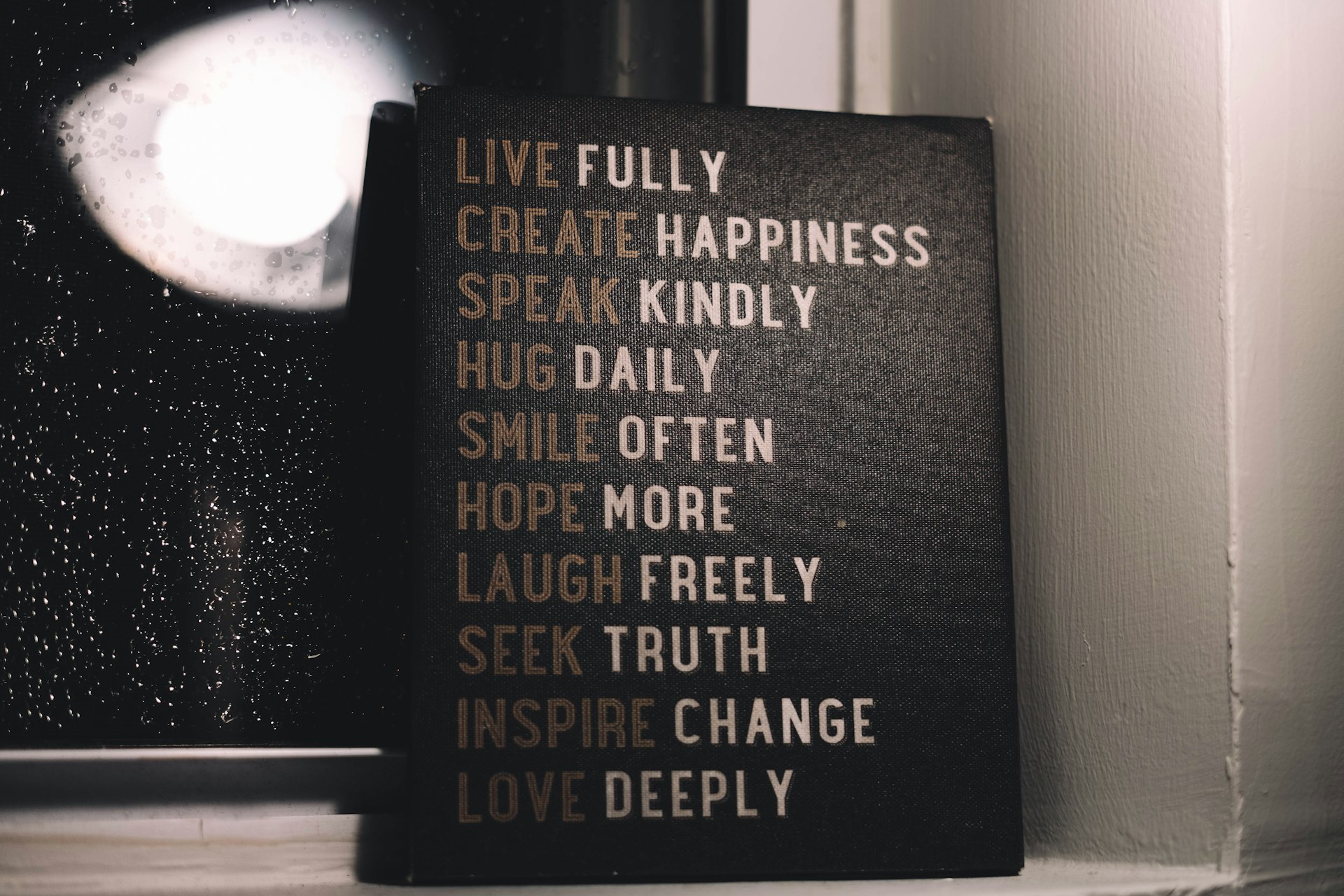
As more people embrace this way of living, it’s clear that the definition of success is evolving. No longer is it about how much you have or how many followers you have online; it’s about how well your life reflects the values that matter most to you. This shift isn’t about rejecting all material possessions or living a life of deprivation; it’s about making choices that bring joy, purpose, and meaning to every aspect of your life.
MORE FROM grabjobtoday.com