
How Do I Find Landscaping Services in My Area?

To find a suitable local landscaper, search by your location and the work you need, then confirm the company serves your neighborhood and handles that type of project. Ask how its recommendations account for local climate, soil, and water rules. Before requesting estimates, prepare a property map, measurements, photos, priorities, and a budget range so contractors can price the same scope.
What landscaping services can I find in my area?
Local landscaping services range from design and installation to recurring maintenance, and the right provider depends on the job you want done. Search with both a location and a specific need, such as “landscape design near [town]” or “irrigation repair in [neighborhood].” Then confirm directly that the provider serves your address.
Service labels can hide important differences. A designer develops a layout and plant plan. An installation contractor carries out the work, which can include planting, irrigation, walkways, or retaining walls. A maintenance provider handles ongoing tasks such as mowing, pruning, mulching, fertilizing, watering, weed control, and pest control.
Some firms offer several of these services; others specialize. The University of Arizona Cooperative Extension separates landscaping into design, installation, and maintenance, and recommends asking what the contractor provides, whether subcontractors are involved, and who will handle permits. Ask for relevant project photos and plant-care instructions too. Match the expertise to the work: a planting plan and a retaining wall do not call for identical skills.
Make the search specific, then check the fit. The Wisconsin Horticulture guide from the University of Wisconsin–Madison Division of Extension advises matching a professional’s expertise to the project and comparing estimates with the same scope, materials, and services. This makes “three quotes” useful only when each provider is pricing the same job.
How do I find a landscaper who knows which plants suit my local climate?
Ask how the landscaper chooses plants for your site’s weather, soil, sun, shade, wet spots, dry areas, and water limits. Local experience matters because a plan has to work with the conditions on the ground, not only look good on paper.
Mississippi State University Extension Service notes that contractors often know local weather, soil, and other conditions that affect landscape outcomes. Ask the provider to explain which local conditions shaped its recommendations. Request examples of similar work or a portfolio relevant to your project, and ask what care the proposed plants will need after installation.
Walk the site together. Utah State University Extension recommends assessing sunny, shady, wet, and dry areas before choosing plants, then grouping plants with similar water needs into hydrozones. Those groupings help align irrigation with the needs of each part of the yard instead of treating every plant as if it needs the same amount of water.
Soil and irrigation belong in the discussion, too. Utah State’s guidance identifies 8–12 inches as an ideal topsoil depth in its water-wise landscaping advice and emphasizes soil preparation before installation. It also recommends checking and maintaining irrigation systems monthly while they are in use. These are useful questions for an estimate; site-specific recommendations still depend on the property and local conditions.
Ask what rules govern outdoor watering where you live. The U.S. Environmental Protection Agency’s WaterSense program says utilities can use staged drought or water-shortage plans. Higher stages can restrict how often residents water yards or disallow outdoor watering. Check your utility website and water bill before approving an irrigation plan. The utility’s supply can face concern even when local weather is not dry, because its water source may be elsewhere.
What should I tell a local landscaper before asking for an estimate?
Give each contractor the same clear description of the work, the site, your priorities, and your budget range. A shared brief makes it easier to compare proposals and spot differences in scope before choosing a provider.
Mississippi State University Extension advises homeowners to define the work, provide a property map, and set a project or recurring maintenance budget before seeking bids. The University of Arizona Cooperative Extension says the contractor should take measurements, discuss plants suited to the space, and send the estimate in writing. Use the first site visit to fill gaps in your map and clarify what is included.
Prepare these details before you contact providers:
- Project scope: Describe what you want changed and what should stay. Separate one-time installation from recurring maintenance.
- Site information: Share a property map, measurements, and clear photos of the areas in question. Note where sunlight, shade, standing water, or dry conditions occur.
- Priorities: List the features you need, the plants or materials you prefer, and the problems the work should solve. Mark which items are essential and which can wait.
- Budget and timing: State a budget range and your preferred schedule. If the full plan exceeds the budget, ask whether work can be phased.
Ask each contractor about licensing, insurance, subcontractors, permits, references, plant types and sizes, schedule, payment terms, and warranty information. The Arizona guide recommends written estimates that state scope, total cost, timing, and these project details. The Wisconsin guide recommends speaking with at least three contractors and comparing estimates with the same scope, materials, and services.
Review the differences before choosing. A lower total can reflect fewer plants, different materials, or excluded work. Mississippi State Extension advises putting the chosen scope, costs, and completion date in a written contract. Clear details protect the comparison from guesswork.
When the goal is a yard that asks for less ongoing care, see How Do I Create a Low-Maintenance Front-Yard Landscaping Plan? That planning question fits naturally into the project brief: state how much maintenance you want and ask how the proposed design supports it.
Frequently Asked Questions
Do local landscapers offer design, installation, and ongoing maintenance?
Some professionals cover all three; others focus on one. Design sets the plan, installation puts in plants and features, and maintenance covers recurring care such as pruning, mowing, or weed control. Ask which services the provider handles directly.
How can I check whether a landscaping company serves my neighborhood?
Give the company your address or neighborhood and ask it to confirm service coverage before scheduling an estimate. Check its service-area information and ask whether travel, site access, or other location limits affect the project.
What local rules or water restrictions could affect my landscaping plans?
Water utilities can use staged shortage plans that limit yard-watering days or prohibit outdoor watering at higher stages. Check your utility's website and water bill for current local instructions, then ask the contractor how the plan fits those rules.
Sources
Keep reading
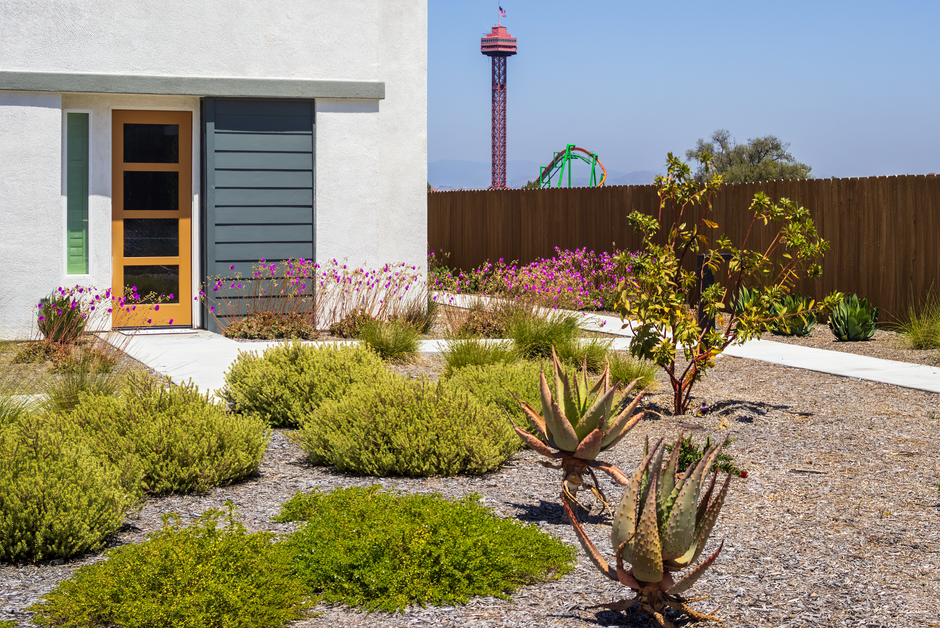
How Do I Create a Low-Maintenance Front-Yard Landscaping Plan?
Build curb appeal with a front-yard plan based on sun, drainage, mature plant size, phased spending, and low-upkeep planting layers.

Where Can I Find Credible Research on AI in HR?
Find free AI-in-HR research, develop focused research questions, and assess evidence on employee privacy and workplace monitoring.

What Kills Lawn Weeds Without Killing Grass, Pets, or Garden Plants?
Identify lawn weeds, choose turf-safe control, and avoid damage to pets, vegetable beds, and nearby garden plants.
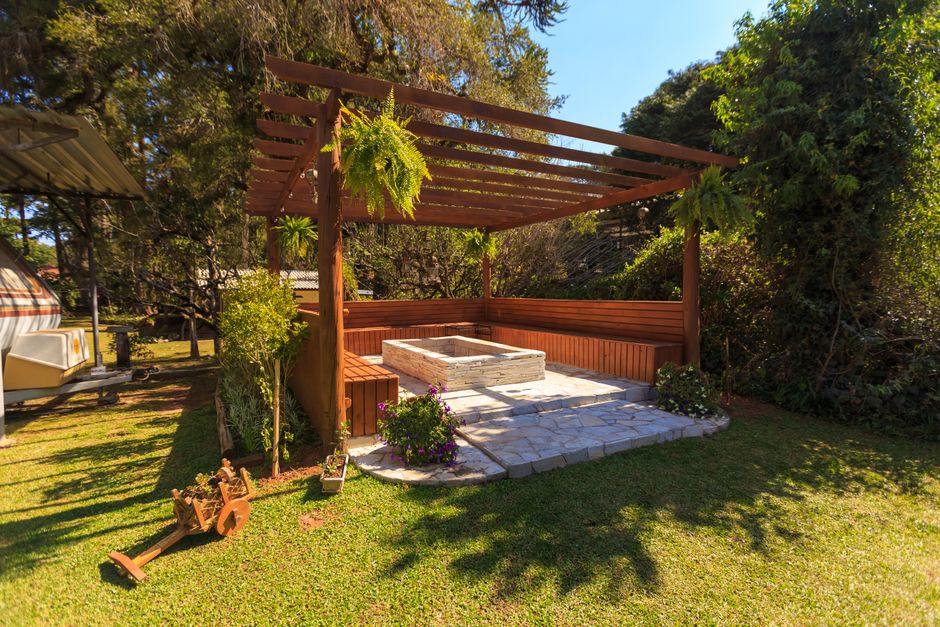
Can I Fit a 6m x 4m Pergola in My UK Garden?
Check usable space, boundary height limits and permitted-development rules before fitting a 6m x 4m pergola in an English garden.